RFID chips are a crucial component of RFID systems, used for storing and transmitting data in various applications such as inventory management, access control, and asset tracking. Understanding the storage capacity of RFID chips is essential for selecting the right chip for your specific needs.
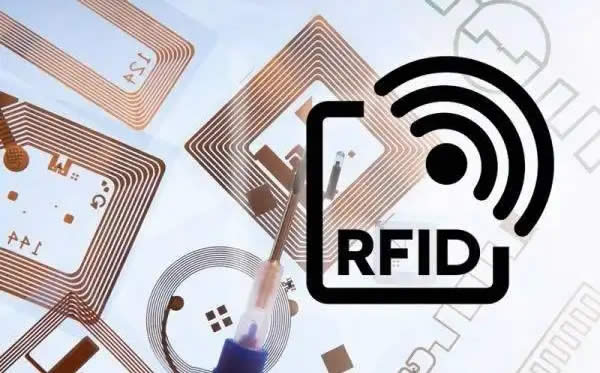
Types and Storage Capacities of RFID Chips
Passive RFID Chips: These chips do not have batteries and require power from the RFID reader to operate. Their storage capacity typically ranges from 64 bits (8 bytes) to 8 kilobytes (KB). Common passive RFID chips, such as those used for access control and inventory management, usually store a unique identifier and a small amount of data. For example, an EPC (Electronic Product Code) chip can store approximately 128 bits (16 bytes) of data.
Active RFID Chips: Active RFID chips have a built-in battery, allowing for longer signal transmission distances and typically larger storage capacities. Depending on the specific application, their data storage capacity ranges from 1 KB to 64 KB. Active chips are commonly used to track high-value assets and can store detailed information such as location history and environmental data.
Semi-passive RFID chips: These chips have a built-in battery that powers the chip’s circuitry, but still require an external reader for communication. Their storage capacity varies greatly, typically ranging from 1 KB to 32 KB. Semi-passive chips are suitable for applications requiring larger data storage capacity while maintaining the high energy efficiency of passive chips.
Factors Affecting Storage Capacity
Application Requirements: The specific requirements of your application will determine the required storage capacity. For example, an access control system may only need to store unique identifiers, while an inventory management system may need other data such as product details, expiration dates, or tracking information.
Data Structure: The structure and organization of data on an RFID chip also affect storage capacity. Some chips may employ more efficient data encoding methods, thus storing more information within the same physical space.
Security Features: RFID chips with advanced security features such as encryption and authentication may require additional storage space to store security keys and protocols, which may reduce the available space for user data.
Common RFID Chip Parameters
| Chip model | Brand | Type | Frequency | Memory | Read-Write time | Data conservation | Protocal |
| Mifare S50 | NXP | Contactless | 13.56Mhz | 1Kbyte | 100000 | 10 years | ISO 14443A |
| Mifare S70 | NXP | Contactless | 13.56Mhz | 4Kbyte | 100000 | 10 years | ISO 14443A |
| Mifare desfire 2k | NXP | Contactless | 13.56Mhz | 2Kbyte | 500000 | 10 years | ISO 14443A |
| Mifare desfire 4k | NXP | Contactless | 13.56Mhz | 4Kbyte | 500000 | 10 years | ISO 14443A |
| Mifare desfire 8k | NXP | Contactless | 13.56Mhz | 8Kbyte | 500000 | 10 years | ISO 14443A |
| Mifare ultralight | NXP | Contactless | 13.56Mhz | 64byte | 100000 | 5 years | ISO 14443A |
| Mifare PLUSS2K/X2K | NXP | Contactless | 13.56Mhz | 2byte | 200000 | 10 years | ISO 14443A |
| M1 PLUSS2K/4K | NXP | Contactless | 13.56Mhz | 4byte | 200000 | 10 years | ISO 14443A |
| I‑CODE SLI | NXP | Contactless | 13.56Mhz | 1024bits | 100000 | 40 years | ISO15693 |
| HITAG1 | NXP | Contactless | 125KHZ | 2048bits | 100000 | 10 years | ISO11784/785 |
| HITAG2 | NXP | Contactless | 125KHZ | 256bits | 100000 | 10 years | ISO11784/785 |
| HITAG3 | NXP | Contactless | 125KHZ | 256/2048bits | 100000 | 10 years | ISO11784/785 |
| FM11RF08 | FUDAN | Contactless | 13.56Mhz | 1Kbyte | 100000 | 10 years | ISO14443A |
| FM11RF32 | FUDAN | Contactless | 13.56Mhz | 4Kbyte | 100000 | 10 years | ISO14443A |
| FM1208 series | FUDAN | Contactless | 13.56Mhz | 8Kbyte | 100000 | 10 years | ISO14443A |
| FM1204 | FUDAN | Contactless | 13.56Mhz | 4Kbyte | 100000 | 10 years | ISO14443A |
| Legic256 | Legic | Contactless | 13.56Mhz | 256byte | 100000 | 10 years | |
| Ti2048 | TI | Contactless | 13.56Mhz | 256byte | 100000 | 10 years | ISO15693 |
| ID4001/4100 | RUIXIN | Contactless | 125KHZ | – | 100000 | 10 years | – |
| EM4200/4305 | EM | Contactless | 125KHZ | – | 100000 | 10 years | – |
| T5577 | ATMEL | Contactless | 125KHZ | 330bits | 100000 | 10 years | ISO1178/785 |
| U‑CODE HSL | HSL | Contactless | 915KHZ | 2048bits | 100000 | 10 years | ISO18000-6B |
| Alien9662(H3) | ATMEL | Contactless | 915KHZ | 96bit EPC/512Bit usermemory | 100000 | 10 years | ISO18000-6C |
| Fm1216 series | FUDAN | Contactless | 13.56Mhz | 16Kbyte | 100000 | 10 years | ISO14443A |
| SLE4442/5542 | SIEMENS | Contact | – | 256byte | 100000 | 10 years | ISO7816 |
| SLE4428/5528 | SIEMENS | Contact | – | 1byte | 100000 | 10 years | ISO7816 |
| 45DB041 | ATMEL | Contact | – | 528Kbyte | 100000 | 10 years | ISO7816 |
| AT88SC102 | ATMEL | Contact | – | 1024bits | 100000 | 10 years | ISO7816 |
| AT88SC1604 | ATMEL | Contact | – | 5704bits | 100000 | 10 years | ISO7816 |
| AT88SC153 | ATMEL | Contact | – | 2048bits | 100000 | 10 years | ISO7816 |
| 24 series | Contact | – | 1k-64kbits | 100000 | 10 years | ISO7816 |
HYDcard offers a variety of RFID chips with different storage capacities, which can be customized to your needs. Contact us today to find the RFID solution best suited for your business!