
-
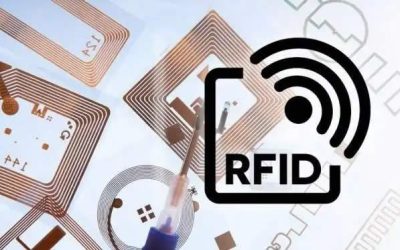
What is the storage capacity of an RFID chip?
The storage capacity of an RFID chip is a key factor affecting its effectiveness in various applications. By understanding the different types of RFID chips and their storage capabilities, you can choose the right chip for your needs. Whether you need a simple identification chip or one capable of storing large amounts of data, there’s an RFID solution to meet your requirements.
-
What are the advantages and disadvantages of RFID technology?
RFID technology offers numerous advantages, including higher efficiency, real-time tracking, and durability. However, businesses must also consider its potential disadvantages, such as cost, interference, and privacy issues. By carefully evaluating these factors, businesses can make informed decisions about how to implement the RFID solution that best suits their needs.
-
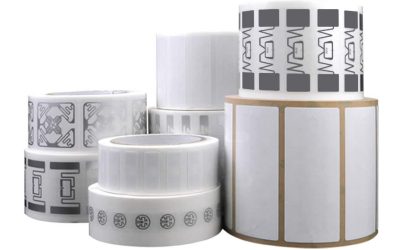
What is the operating frequency range of RFID tags?
Radio Frequency Identification (RFID) technology operates across a variety of frequency ranges, which significantly impacts the performance, read range, and applications of RFID tags. Understanding these frequency ranges is crucial for selecting the right RFID solution for your specific needs. RFID tags operate in three main frequency categories: Low Frequency (LF), High Frequency (HF), and Ultra High Frequency (UHF).
-
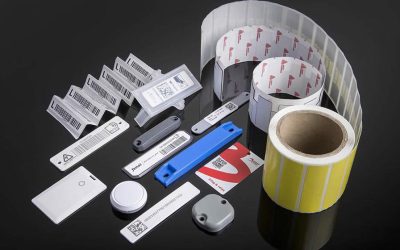
What types of RFID tags are there?
Radio Frequency Identification (RFID) technology is widely used to track and identify objects using electromagnetic fields. There are many types of RFID tags, each designed for specific applications and environments.
-
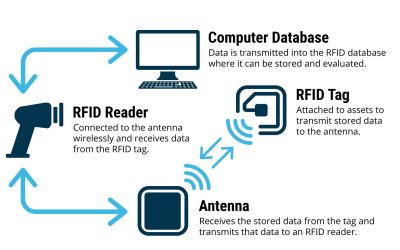
What are the main components of RFID?
The main components of RFID—tags, readers, antennas, and software—work together to form a powerful object tracking and identification system. Understanding these components is crucial for businesses looking to effectively implement RFID technology.
-
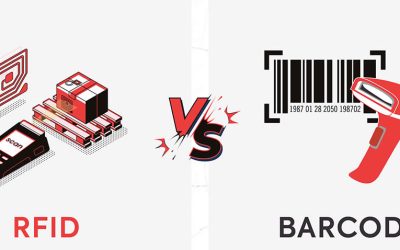
What are the differences between RFID and barcodes?
RFID and barcodes each have their own advantages and disadvantages, making them suitable for different application scenarios. RFID offers higher efficiency, larger data capacity, and greater durability, while barcodes are more cost-effective and easier to implement. Businesses should carefully consider their specific needs and operational requirements when choosing between these two technologies.
-
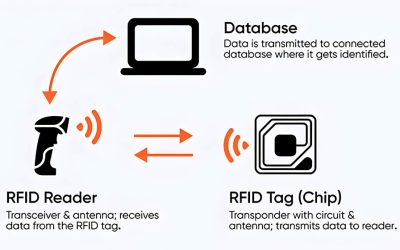
How does RFID work?
RFID technology offers a fast, efficient, and accurate way to identify and track objects. Its ability to automatically collect data and improve the transparency of various processes makes it an indispensable tool in today’s fast-paced world. With HYDcard’s innovative RFID solutions, you can take your business to new heights and stay ahead of the competition.
-
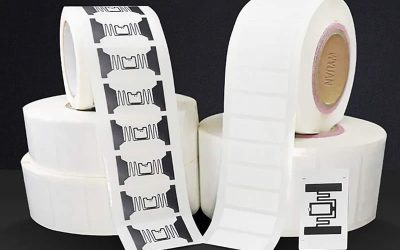
What are the differences between RFID inlays, RFID tags, and RFID hang tags?
Radio Frequency Identification (RFID) technology is increasingly used for asset tracking and management across various industries. In the RFID field, terms such as “inlay,” “tag,” and “hang tag” are often used interchangeably, but they refer to different components of an RFID system.
-
What is RFID?
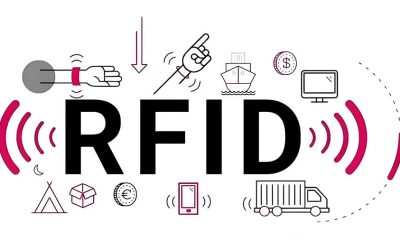
RFID technology is revolutionizing how businesses manage and track assets. With its ability to provide real-time data and improve operational efficiency, RFID is becoming an essential tool across industries. As the technology continues to advance, the applications and benefits of RFID are expected to expand further, making it a vital component of modern data management systems.
-
Can I add a personalised message to a custom gift card?
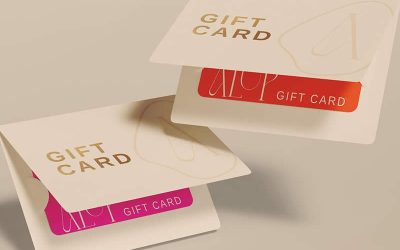
Customized gift cards have become a popular choice for businesses looking to enhance their brand image and offer unique gifting options. One of the most appealing aspects of these cards is the ability to add personalized messages, making each card unique and tailored to the recipient. Personalization not only enhances the gift-giving experience but also helps businesses build deeper connections with their customers.
-
How long does it take to create a custom gift card?
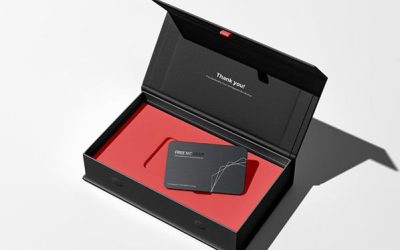
The entire custom gift card production process can take anywhere from 1 to 3 weeks, depending on the complexity of the design, approval times, production requirements, and shipping times. To ensure a smooth and timely production process, it’s crucial to clearly communicate your needs and stay involved at every stage.
-
What is the minimum order quantity for custom gift cards?
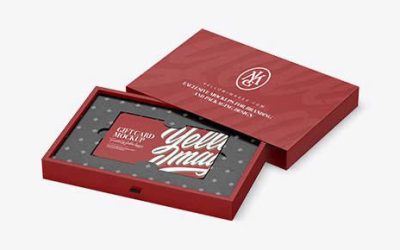
Many consumers and businesses ask about minimum order quantities when considering custom gift cards. Different merchants may have different policies; some may allow single customizations, while others may require a certain minimum order quantity.
Blog
What’s new in HYDcard? We’ll try our best to help you learn more about us.
